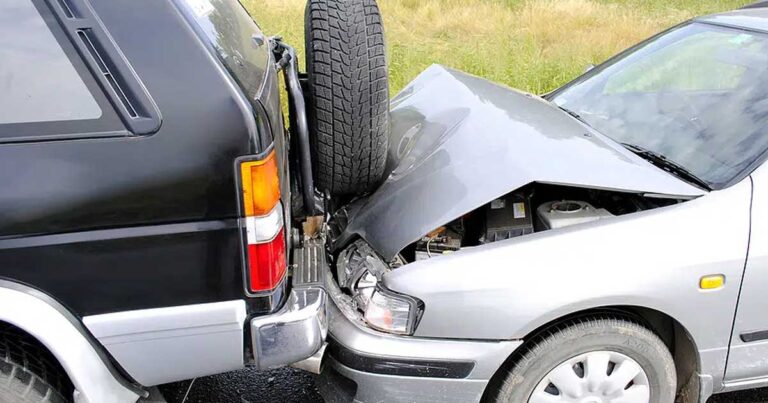
Things to Do After a Car Accident That Was Not Your Fault
Accidents happen, and sometimes they’re not even our fault! Knowing the right things to do after a car accident not your fault can make all the difference. Whether it’s a minor fender bender or something more serious, staying calm and collected in the aftermath is crucial. So, what should you do once the dust settles?
First off, it’s important to remember that safety comes first! After ensuring everyone is okay, you’ll want to gather relevant information and document the scene. Not sure where to start? Don’t worry, we’ve got you covered! In this article, we’ll break down the essential steps to take and share tips to protect yourself legally. You’ll be navigating the post-accident chaos like a pro in no time! So let’s jump right in and help you handle this situation effectively!
Immediate Steps to Take After a Car Accident Scenario
So, you’ve just been in a car accident that wasn’t your fault—yikes! The adrenaline is pumping, and your mind might be swirling with questions. What should you do first? The immediate steps after a crash are crucial for your safety and future claims. Let’s break it down!
First things first, check for injuries. If you or anyone else is hurt, don’t hesitate—call 911! Your health is the priority here. Even if things seem fine at first glance, injuries can develop later, so it’s always smart to get checked out.
Next, it’s all about safety! If you’re able, move your vehicle to the side of the road to avoid further accidents. Turn on your hazard lights to alert other drivers. But remember, never leave the scene—it’s a big no-no!

Have You Been Injured in an Accident?
Find Out Your Rights. Get Maximum Compensation. You Pay Nothing Until We Win.
Then, start gathering all the important information. Take pictures of the scene, including car positions, damage, and any road signs or signals that may have contributed to the accident. Also, don’t forget to exchange information with the other driver(s). Get names, phone numbers, insurance details, and license plate numbers—these will be invaluable later!
After that, it’s a great idea to talk to witnesses if there are any. Their statements may help support your case down the line. And let’s not forget your own peace of mind—keeping a cool head will help in the long run. How awesome would it be to have everything documented when the claims time comes?
Finally, don’t forget to file an accident report with local authorities if necessary. This will be key in your insurance dealings. Now that you know what immediate steps to take after a car accident, you’re already on the right track to handling this like a pro!

Gathering Evidence and Information After the Crash
In the chaotic aftermath of a car accident, especially one that wasn’t your fault, it’s easy to feel overwhelmed. But one of the most crucial things to do is gather evidence and information. Trust me! This step could make or break your case. Take a deep breath, and let’s navigate through the essentials.
First things first, don’t forget to snap pictures! Capture the scene from different angles — wide shots to show the positioning of vehicles, close-ups of damage, and even the surrounding area can be vital. These visuals provide solid proof of what happened, like a digital diary of the crash! Have you thought about how evidence can sway your insurance claim?
Next, take note of any eyewitnesses around. Their testimonies can serve as a powerful support for your side of the story. Jot down their names and contact information; you may need them later! Furthermore, collecting statements from bystanders can enhance your credibility in case any disputes arise about what actually happened.
Hurt in an Accident?
Take Action Now. Get the Compensation You Deserve. No Win, No Fee.
Additionally, make sure to exchange information with the other driver involved in the accident. This includes their name, phone number, insurance provider, and policy number. A polite handshake can go a long way in avoiding future complications. Remember, you want to establish a comprehensive record so that you don’t get lost in a sea of confusion later.
Speaking of records, don’t forget to document your own injuries, if any. Snap some photos and write down how you feel immediately after the crash. This info is valuable when dealing with medical professionals down the line. Does the thought of keeping an evidence trail sound tedious? It really pays off in the long run!
Finally, don’t forget to get a copy of the police report if one was filed. This official document often includes crucial information about the accident, which can solidify your case. Gathering this evidence might take a bit of time, but every moment counts when it comes to protecting yourself legally.
Understanding Your Rights Following an Accident Not Your Fault
So, you’ve just been in a car accident that wasn’t your fault. Yikes! It’s totally understandable to feel overwhelmed and confused in such a situation. But guess what? You have rights that protect you in these moments, and knowing them can help you navigate this tricky scenario with confidence!
First off, remember that the other driver, or their insurance, may be liable for damages. This includes not only vehicle damage but also medical expenses, lost wages, and even emotional distress. To claim these damages, you need to follow certain steps. It’s essential to document everything from the moment the accident occurs, capturing any evidence that supports your case.
Did you know that many states also follow the principle of comparative negligence? This means even if you’re partially at fault, you may still recover damages! That’s right—if someone cuts you off and you hit them, but you were going slightly over the speed limit, you might still have a valid claim!
Also, be sure to check your own insurance policy. Some policies include ‘uninsured motorist’ coverage or ‘underinsured motorist‘ coverage, which can protect you in cases where the at-fault driver doesn’t have sufficient insurance to cover your losses. This could be your saving grace! Make sure to pull out your policy and understand what protections are available to you.
Feeling a bit lost? No worries! Connecting with a personal injury attorney can be your best bet—they know the ins and outs of your rights and can guide you through the process effectively. They’ll help you gather all the necessary documents and negotiate with insurance companies on your behalf. Talk about a relief!
- Document the accident scene and gather witness statements.
- Understand your state’s comparative fault laws.
- Check your insurance for coverage options.
- Consult with a personal injury attorney to protect your rights.

Filing Insurance Claims After an Accident You Didn’t Cause
Filing an insurance claim after a car accident you didn’t cause can feel as tricky as solving a Rubik’s Cube blindfolded. But, don’t worry, we’ve got your back! First things first, it’s all about documentation. Start by gathering all the necessary information, like the other driver’s insurance details, the police report, and any witness statements. This is crucial for a smooth claims process.
Next up, contact your insurance company to report the accident. They’ll want a recap of what happened and all the evidence you’ve collected. It’s essential to be honest and provide as much detail as possible. Did you know that people who are clear and detailed in their claims can often speed up the process? So, don’t hold back!
Now, here’s where you can really flex your rights! If the accident wasn’t your fault, you might be entitled to compensation for damages, medical expenses, and even lost wages. Keep in mind that each state has its own laws regarding claims, so it’s wise to familiarize yourself with local regulations. Have you checked what your rights are in your state? This knowledge can be a game-changer!
Finally, if you’re feeling overwhelmed or if your claim is getting complicated, it could be time to seek legal help. An attorney specializing in car accidents can navigate through the red tape and ensure you get what you’re entitled to. Remember, you don’t have to face this alone! ️
- Document everything: evidence, police reports, witness statements.
- Contact your insurance company and report the accident.
- Understand your rights regarding compensation.
- Consider seeking legal assistance if needed.
Common Questions
How does insurance work when it’s not your fault?
When an accident is not your fault, your insurance company may still provide coverage for your repairs, to the extent of your policy limit. Typically, the at-fault driver’s insurance is responsible for covering the damages or injuries you sustained in the accident. If the other driver is uninsured or underinsured, your own insurance may cover the costs through your uninsured/underinsured motorist coverage, depending on your policy details.
What happens if I’ve been in a car accident that wasn’t my fault?
If you’ve been involved in a car accident that wasn’t your fault, you should first ensure that everyone is safe and call for medical assistance if needed. Afterward, it is advisable to gather information from the other driver, collect any eyewitness accounts, and document the scene with photographs. Following this, you should notify your insurance company and begin the claims process with the responsible party’s insurance provider to seek compensation for damages and injuries.
Do you make a claim if it’s not your fault?
Yes, it is necessary to file a claim if the accident is not your fault. You would typically file a claim with the at-fault driver’s insurance company to recover costs associated with your damages and injuries. In some cases, you may also choose to file a claim with your own insurance company, particularly if the at-fault party is unresponsive or if their insurance is insufficient to cover your losses.
What is the average settlement for a car accident in Texas?
The average settlement for a car accident in Texas can vary significantly depending on several factors, including the severity of injuries, the extent of vehicle damage, and the specific circumstances of the accident. Generally, settlements can range from a few thousand dollars for minor accidents to hundreds of thousands for severe injuries or fatalities. On average, settlements can be around $15,000 to $30,000 for moderate cases, but individual circumstances will dramatically affect the final amount.
Seeking Legal Help for Accidents Not Caused by You
Just because the accident wasn’t your fault doesn’t mean you should tackle it alone! It’s vital to seek legal help if you’ve been involved in a car accident not caused by you. Navigating the murky waters of insurance conversations and legal implications can feel overwhelming, but guess what? You don’t have to go it alone!
So, where do you start? First, find a lawyer who specializes in personal injury and car accidents. This person will know the ins and outs of your situation and can give you the best advice. Plus, a savvy attorney will help ensure you’re getting every bit of compensation you deserve. Are you ready to find your legal superstar?
Once you’ve got a good lawyer in your corner, they’ll help you gather all necessary documents, like your police report, medical records, and any correspondence with insurance companies. Proper documentation is key! It’ll not only establish the facts of the accident but also strengthen your case significantly.
- Review the accident details with your attorney.
- Understand the full scope of your injuries and losses.
- Make necessary follow-ups with medical providers.
Your lawyer can also represent you in negotiations with insurance companies, which can sometimes feel like a sparring match! They know how to push back and advocate for your needs, ensuring you avoid lowball offers. And let’s be honest, who wants to deal with that kind of stress?
Remember, seeking legal help isn’t just about compensation – it’s about standing up for your rights. Whether it’s emotional distress or medical bills piling up, you deserve the support you need to rebuild your life. So shake off that stress and let a professional handle the heavy lifting!
Final Thoughts: Things to Do After Car Accident Not Your Fault
When you find yourself in a tough situation like a car accident not your fault, knowing the things to do after car accident not your fault can make all the difference! From gathering evidence to filing insurance claims, every step is crucial in ensuring that you’re protected and your rights are upheld.
Looking after your safety and legal standing is no small feat, but with a little knowledge and the right resources, you can navigate these waters confidently. Remember, whether you’re dealing with insurance companies or seeking legal aid, you hold the power to make informed decisions. And let’s not forget, sharing this information with friends and family can help them too! You never know who might benefit from these insights.
Injured in an Accident?
Discover Your Legal Rights. Get the Compensation You Deserve. No Fees Until We Win Your Case.