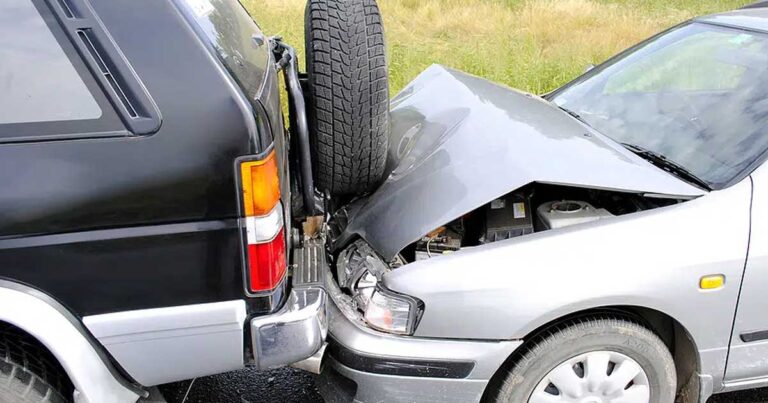
What Is a Sideswipe Collision? Understanding the Risks
Have you ever seen two cars zooming past each other, only to realize moments later that a sideswipe collision just occurred? What is a sideswipe collision, you ask? It’s an accident that happens when one vehicle brushes against another while both are moving in the same or opposite directions. Sounds simple, right? But trust me, the consequences can be a lot more complicated than they seem! Buckle up, because in this article, we’re diving into the ins and outs of sideswipe collisions, helping you understand both the mechanics behind them and the risks you face on the road.
From minor car scratches to major injuries, the ramifications of a sideswipe can shake you up more than you think. Ever thought about how often these collisions happen, or what you can do to avoid them? As we delve deeper, we’ll cover the factors that contribute to these incidents and why it’s crucial to stay vigilant while driving. So, if you’re looking to keep yourself and your loved ones safe on the road, keep reading! The info we share might just save you from an accident down the line!
Definition of Sideswipe Collision and Its Key Characteristics
A sideswipe collision happens when two vehicles make contact while traveling parallel to each other. This type of accident usually occurs when one vehicle drifts into the lane of another without proper precautions. It’s like a dance, but not exactly the graceful kind! Understanding what a sideswipe collision is can help drivers stay alert and prevent these often serious accidents.
Now, some key characteristics of sideswipe collisions make them unique. They typically occur at high speeds on highways or busy streets, where vehicles are closely traveling side by side. One interesting thing is that they can happen even if both drivers are driving within their own lanes! Can you believe it? Lack of attention, sudden lane changes, and poor visibility can turn a regular drive into a chaotic situation.
- The vehicles involved are often moving at relatively high speeds.
- They typically result in side damage rather than front or rear impacts.
- Driver negligence, such as distracted driving, often plays a major role in these accidents.
These collisions can sometimes lead to more severe accidents, especially if one of the vehicles loses control and crashes into another object or vehicle. So, keeping an eye out for other cars is crucial! Remember, just because you think you’re safe in your lane doesn’t mean you are. Understanding the signs and scenarios that could lead to a sideswipe collision can keep our roads a lot safer.

Have You Been Injured in an Accident?
Find Out Your Rights. Get Maximum Compensation. You Pay Nothing Until We Win.
In conclusion, being aware of what a sideswipe collision is and its key characteristics can empower drivers to be vigilant on the road. Nobody wants to deal with the aftermath of a crash, so let’s keep our heads on a swivel and drive smart!

Common Causes and Scenarios Leading to Sideswipe Crashes
They can happen in the blink of an eye and often leave drivers and passengers feeling puzzled. So what exactly causes these collisions? A few common culprits typically lead to these mishaps, and it’s essential to understand them. From reckless lane changes to distracted driving, the scenarios are all too familiar!
Sideswipe accidents often result from:
- Improper lane changes
- Unsafe merging
- Dangerous maneuvers
- Loss of vehicle control
- Traveling too fast for conditions
The sudden swerving or lane change by distracted drivers can lead to an unexpected side-to-side contact between two vehicles, catching the drivers off guard.
While sideswipe accidents can manifest in diverse environments, they are more commonly observed in the following locations:
- Multi-lane highways
- Heavily trafficked roads
- Intersections
- Freeways
Factors such as distracted or reckless driving, or the moment drivers lose control in a different lane pose a significant challenge to highway safety.
Hurt in an Accident?
Take Action Now. Get the Compensation You Deserve. No Win, No Fee.
Sideswipe car accidents, also known as sideswipe collisions, distinguish themselves from other car accidents by the location and nature of the rear vehicle and the impact, which is typically side-to-side contact between two vehicles.
Moreover, reckless or aggressive driving often plays a role in sideswipe crashes. Speeding or tailgating sends the car into a frenzy of danger, making it feel like a thrill ride—but without the safety harness! Poor weather conditions can exacerbate all these issues, making roads slick and reducing visibility. It’s crucial to adjust your driving style according to the environment! ️
So, what’s the takeaway here? Awareness of these common causes and scenarios can make the difference in preventing sideswipe accidents. Whether it’s practicing safer lane changes or putting down that phone while driving, recognizing these risks helps you stay on the road safely.
Potential Outcomes
The outcomes of a sideswipe collision can significantly vary based on factors such as vehicle size, weight, and speed. Greater disparities in these factors between the vehicles involved can amplify the consequences and damages of the collision.
It’s not just physical harm; sideswipe collisions can also lead to psychological challenges. Individuals might experience anxiety and post-traumatic stress as a result of the collision, impacting their overall well-being even after their physical injuries have recovered.
The aftermath of severe car accident sideswipe collisions can be diverse, stretching from minor to substantial vehicle damage, light to grave personal injuries, and even fatalities, contingent upon the severity of the car accident.
Potential Risks and Injuries from Sideswipe Accidents
Sideswipe collisions can be sneaky and often catch drivers off guard, leading to unexpected and serious accidents. These incidents typically occur when two vehicles traveling parallel to each other come too close, resulting in contact. Not only can these accidents be frightening, but they can also lead to a variety of severe risks and injuries. Have you ever thought about what could happen in a sideswipe? Let’s break it down!
The potential injuries from sideswipe accidents can range from minor to life-changing. Common injuries include: whiplash, which can lead to chronic pain, head trauma, especially if a passenger is thrown about, and fractures and lacerations from the force of the impact. Seriously, the impact from these accidents can cause vehicles to lose control, leading to rollovers or crashes into other cars or obstacles. Yikes!
Another terrifying aspect of sideswipes is the risk they pose not just to the drivers involved but also to nearby pedestrians and cyclists. Imagine this: you’re cruising down the street and suddenly, BAM! A sideswipe happens and sends vehicles veering off course. The chaos can easily endanger innocent bystanders. That’s why understanding what is a sideswipe collision is vital for everyone on the road!
- Whiplash and neck injuries
- Head injuries and concussions
- Fractured bones and lacerations
- Emotional distress and anxiety
- Potential disability from severe injuries
To wrap it up, the risks associated with sideswipe collisions are significant and can have lasting repercussions. Staying informed about what could happen in these accidents isn’t just a good idea; it’s essential for your safety and the safety of others. Remember to stay vigilant and maintain safe distances while driving — your actions can help prevent a potentially life-altering incident!

Legal Rights and Responsibilities in Sideswipe Collisions
If you’ve ever been caught in a sideswipe collision, knowing your legal rights and responsibilities becomes super important! These accidents can be tricky, and navigating the legal landscape afterward can feel like a maze. You might be asking yourself, “What am I owed? What should I do next?” Let’s break this down!
In a sideswipe collision, it’s crucial to figure out who is at fault. Generally, the driver who made unsafe maneuvering or did not check blind spots might be held liable. However, don’t forget that there are instances where both parties share some fault! This is where the concept of comparative negligence comes into play. Understanding whether you are partially at fault can impact your ability to claim compensation. It’s all about piecing together the puzzle!
Now, if you’re the one suffering from injuries or vehicle damages, you have the right to seek compensation for those losses. This compensation may come from the other driver’s insurance or even your own, depending on the circumstances. But remember, gathering evidence like photos, witness statements, and police reports will strengthen your case. Have you got all your ducks in a row?
On the flip side, responsibility isn’t just about liability but also about actions to take after the accident. It’s important for all drivers involved to exchange information and document the scene. Ignoring this could lead to serious complications later on! So, make sure you stay calm, collect all needed facts, and only speak to your insurance or a legal expert about the incident afterward.
Key Takeaways
- The at-fault driver may be liable for damages and injuries.
- Gather evidence to support your claims.
- Exchanging information immediately is vital.
Knowing your rights and responsibilities can make a world of difference in a sticky situation like a sideswipe collision. Make sure you’re informed, proactive, and ready to tackle the aftermath effectively!
Common Questions
What does sideswipe mean in a car accident?
A sideswipe in a car accident refers to a type of collision where the side of one vehicle brushes against the side of another vehicle. This often occurs when one vehicle changes lanes or merges into another lane, resulting in contact with an adjacent vehicle. Sideswipes can happen at various speeds but are commonly associated with incidents on highways or busy roads where vehicles are nearby.
What happens in a side-impact collision?
In a side-impact collision, also known as a T-bone accident, the side of one vehicle is struck by the front or rear of another vehicle. This type of accident typically occurs at intersections or when a vehicle fails to yield the right of way. The impact can lead to significant damage to the struck vehicle, and the occupants are often at a higher risk of injury, especially if the vehicle lacks adequate side impact protection.
Who is at fault in a side-impact collision?
Determining fault in a side-impact collision can depend on various factors, such as traffic signals, the actions of the drivers involved, and road conditions. Typically, the driver who did not yield the right of way or violated a traffic law is found to be at fault. However, liability can sometimes be shared, and investigations often consider evidence such as eyewitness accounts, traffic camera footage, and accident reports to establish fault.
What happens if you sideswipe someone?
If you sideswipe someone, you may be held liable for any damages and injuries resulting from the accident, especially if it is determined that you failed to observe traffic rules or were negligent in your driving. This can lead to costs associated with vehicle repairs, medical expenses for the other party, and potential legal consequences. It’s important to exchange information with the other driver and report the incident to your insurance company, which can guide you through the claims process.
Preventive Measures to Avoid Sideswipe Accidents on Roads
When navigating the bustling roads, it’s crucial to be proactive about avoiding sideswipe accidents! Taking preventive measures not only keeps you safe but also ensures everyone around you is protected. So, let’s dive into some tips that can help steer clear of these potentially dangerous situations.
First off, stay vigilant! Keep your eyes on the road and be aware of what’s happening in your surroundings. Distracted driving is a major factor in sideswipe collisions. Have you ever noticed how easily you can lose focus when reaching for your phone? Staying focused helps you react promptly to sudden movements of other vehicles.
Another great tactic is maintaining a proper distance from other vehicles. This gives you ample time to react if another driver veers into your lane unexpectedly. Keeping a safe following distance means you’ll have room to maneuver if needed. Remember, tailgating not only endangers your safety but can also lead to some serious road rage!
- Use your turn signals consistently.
- Check your mirrors before changing lanes.
- Be cautious around large vehicles.
How about keeping your vehicle in optimal condition? Regular maintenance is key! A well-functioning car will respond better to your actions, especially in tight situations. Plus, ensure your tires are properly inflated and have good tread for maximum traction. You’d be surprised how much a little tire maintenance can affect your safety!
Finally, never underestimate the power of safe driving habits. Always signal when changing lanes, check your mirrors, and be aware of your blind spots. These simple actions can make a huge difference. After all, everyone on the road contributes to overall safety—and you definitely want to be on the winning side of this game!
Final Thoughts: What Is a Sideswipe Collision
By now, you’re in the know about what is a sideswipe collision and the various risks posed by such incidents on the road. Understanding the key characteristics, common causes, and potential injuries can truly empower drivers to navigate safer paths. Knowledge is power, right? So why not share this info with your friends and family to keep everyone alert?
Not only can we learn from discussing the risks, but we can also explore legal rights and responsibilities that protect you if ever faced with a collision. Don’t forget to think about preventive measures! Utilizing caution and awareness can make all the difference in avoiding sideswipe accidents altogether. Remember, staying safe is everyone’s responsibility! So, what steps will you take next time you hit the road? Let’s keep those wheels turning safely!
Injured in an Accident?
Discover Your Legal Rights. Get the Compensation You Deserve. No Fees Until We Win Your Case.