
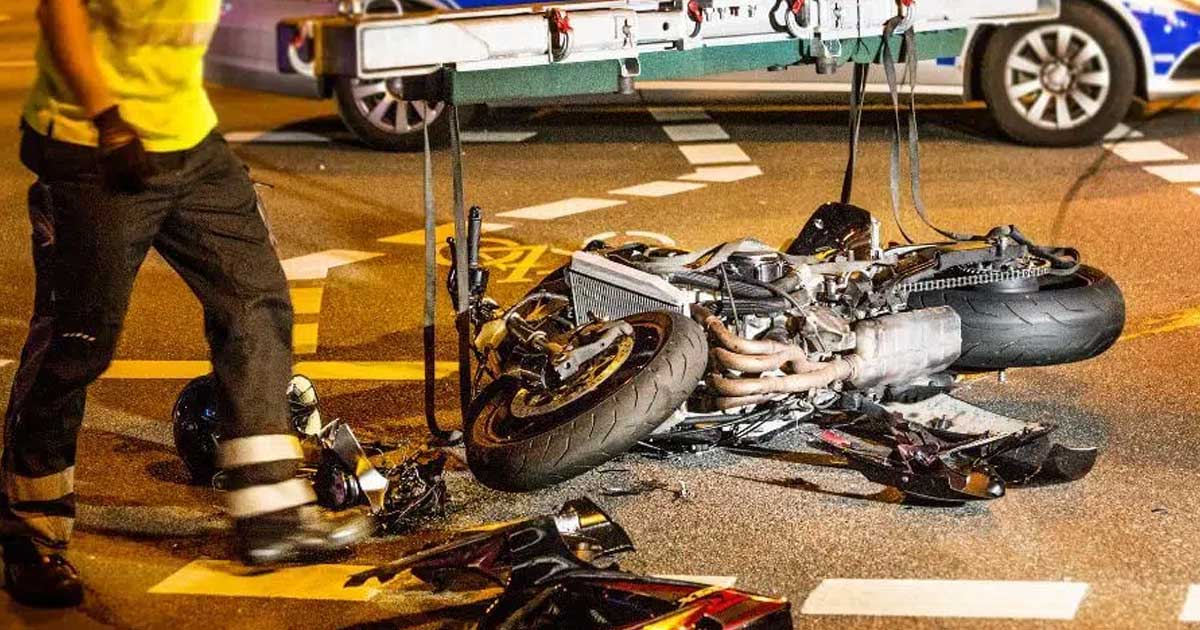
What to Do During a Motorcycle Accident in Florida?
Motorcycle accidents can be both shocking and overwhelming, especially in the vibrant state of Florida. Knowing what to do during a motorcycle accident is crucial for your safety and legal protection. From figuring out how to stay calm in the chaos to understanding your rights, it’s all about taking the right steps at the right time. ️ So, what should you really do if you find yourself in this tough situation?
Whether you’re a seasoned rider or a newbie, accidents can happen to anyone. Imagine this scenario: you’re cruising down the highway, the sun is setting, and suddenly you’re involved in a collision. Your immediate response is essential, and that’s why we’re here to highlight the key actions you need to take after an accident occurs. Feeling a bit anxious? Don’t worry, we’ll guide you through this step-by-step process to ensure you’re well-prepared if the unexpected ever happens.
Essential Steps to Take Immediately After a Crash
When the dust settles after a motorcycle accident, the adrenaline is pumping, and it’s easy to feel overwhelmed. But taking the right steps immediately is crucial! You need to know what to do during a motorcycle accident to ensure not just your safety but also your legal interests. First off, check yourself and others for injuries. If anyone is hurt, calling 911 should be your top priority. But wait, there’s more!
Stay calm and assess the situation. Make sure it’s safe to move around. If possible, move your motorcycle out of traffic to prevent further collisions. This action shows you’re taking control of the situation! Remember, using your phone to snap pictures of the scene is also a wise move. This photographic evidence can be a game-changer when it comes to insurance claims and legal matters.
- Check injures for yourself and others.
- Call emergency services if needed.
- Move to a safe location if possible.
- Document the accident scene with photos.
Once you’ve ensured safety and documented everything, it’s time to exchange information with other parties involved. Get names, phone numbers, insurance information, and license plate numbers. You know, the essentials! If there are witnesses, collecting their contact details can help a lot down the road. These folks could provide valuable insights if disputes arise.

Have You Been Injured in an Accident?
Find Out Your Rights. Get Maximum Compensation. You Pay Nothing Until We Win.
Finally, don’t forget to reach out to a personal injury attorney. They can guide you through the process and protect your rights. You didn’t sign up for this chaos, but having a pro in your corner can make all the difference. So, what are you waiting for? Let’s tackle this step by step and get you back on track!

Important Information to Gather at the Accident Scene
When you’re involved in a motorcycle accident, gathering the right information at the scene can be a game-changer. Not only does it help with your insurance claim, but it’s also crucial for any potential legal actions down the line. But what exactly should you be collecting? Let’s break it down!
First off, always take note of the other party’s information. This includes their name, phone number, insurance details, and vehicle registration. Having this info handy can save you tons of headaches later when you’re trying to sort out who’s liable! Did you remember to take photos of their driver’s license? You never know when you’ll need it!
Next up, don’t skip documenting the accident scene. Use your phone to snap pictures of the damages, the motorcycle, other vehicles involved, and even the road conditions. Trust me, the more evidence you have, the better. When accidents happen, memories can be fuzzy; having clear visuals can clarify the situation. Isn’t that a relief?
And let’s not forget about witnesses! If there are bystanders who saw the accident, get their contact information too. Their accounts can be super valuable if any disputes arise later on. You might be surprised how different people recall the same event, right? Having witnesses can help solidify your version of the story.
- Other party’s name, phone number, and insurance info
- Photos of the accident scene and damages
- Witness contact information
- Conditions at the time of the accident (weather, visibility, etc.)
Lastly, jot down details about the accident itself—like the time, date, and location—along with any conversations you have with the other party. This information can play a huge role when it comes to filing your claim or if there’s a dispute later on. Having everything on record is always a good practice!
Hurt in an Accident?
Take Action Now. Get the Compensation You Deserve. No Win, No Fee.
By gathering all this information, you’re taking the right steps to ensure that you are prepared for any fallout after the accident. It’s not just about what to do during a motorcycle accident; it’s about securing peace of mind for yourself and protecting your rights!
How to Protect Your Legal Rights After an Accident
When the dust settles after a motorcycle accident, the focus shifts to ensuring your legal rights are protected. It can be overwhelming, right? But don’t fret! Knowing how to navigate the aftermath of your accident is crucial for safeguarding your interests. Staying proactive is key, especially when dealing with insurance companies and potential claims.
First things first, make sure to document everything. From photographs of the scene to details of involved parties, having solid evidence can make or break your case. Ever thought about how a simple picture can hold so much power in proving fault? Make sure to capture everything that could be relevant!
Next on the list, consider reaching out to a personal injury attorney. They can guide you through the complex legal landscape and ensure your rights aren’t trampled on. It’s always good to have a professional in your corner, right? Plus, they can help decipher Florida’s unique motorcycle accident laws, which is crucial for your claim.
Also, resist the urge to give recorded statements to insurance adjusters without legal counsel. These guys can be tricky! What you say might be used against you later, no joke. So, keep your lips sealed until you’ve chatted with your attorney. Your future self will thank you!
- Document the scene with photos and notes
- Collect contact information of witnesses
- Keep records of medical treatment and expenses
Lastly, understand that the clock is ticking. ⏰ In Florida, there’s a statute of limitations for filing personal injury claims! Missing the deadline means losing your right to seek compensation. So, stay informed and act fast. Your health and well-being are worth it!

Understanding Florida Motorcycle Accident Laws and Claims
Florida motorcycle accident laws are designed to protect both riders and drivers, but they can get pretty complicated. Understanding these laws is crucial for anyone riding on the Sunshine State’s highways. If you find yourself in an accident, knowing your rights and responsibilities can make a huge difference in your legal claim and overall recovery!
In Florida, we have a no-fault car insurance system, which means that your insurance usually covers your medical expenses and damages, regardless of who was at fault. Sounds straightforward, right? However, motorcycle riders often face unique challenges, especially when it comes to proving negligence in the case of an accident. This is why having a grasp of your rights under Florida law is essential for protection!
Another critical aspect is the Florida Motor Vehicle No-Fault Law, where motorcyclists are not covered under these regulations. This means you may need to pursue a personal injury claim against the other party if you’ve suffered serious injuries. What does ‘serious injuries’ mean? Well, it typically refers to injuries like broken bones, significant scarring, or any condition that results in a permanent loss of bodily function.
Key Types of Claims
When it comes to pursuing claims, you might consider various avenues: ⬇️
- Personal Injury Claims: If the accident was caused by someone else’s negligence, you can seek compensation for your injuries and damages.
- Property Damage Claims: If your motorcycle or other property was damaged, you might file a claim to recover the costs.
- Wrongful Death Claims: If a loved one lost their life in a motorcycle accident, family members may file a claim for loss and damages.
Do you see why it’s vital to understand these laws? Ensuring you know your rights can make a significant impact on your recovery process after an accident. It’s like being equipped with a shield in the legal battlefield! ️
Common Questions
What to do if there is a motorcycle accident?
If you are involved in a motorcycle accident, the first step is to ensure your safety and the safety of others. Move to a safe location if possible, and check for injuries. Call emergency services to report the accident, especially if there are injuries or significant damage. Collect information from all parties involved, including names, contact details, insurance information, and license plate numbers. Document the scene with photos and gather witness statements if available.
What to do when crashing a motorcycle?
In the event of a motorcycle crash, your immediate concern should be personal safety. If you can, try to assess your injuries and those of any passengers or involved parties. If you are capable, it is vital to move your motorcycle out of the way of traffic to prevent further accidents. Once you are safe, contact emergency medical services and report the incident to the police. Make sure to record all relevant details for your insurance claim later.
What not to do after a motorcycle accident?
After a motorcycle accident, it is crucial to avoid certain actions that may complicate the situation. Do not admit fault or apologize to anyone at the scene, as this could be construed as liability. Refrain from leaving the scene, even if the accident seems minor. Additionally, avoid discussing the accident details with other parties involved until you have spoken with law enforcement and gathered all necessary information. Lastly, do not neglect seeking medical attention, even if you believe your injuries are minor.
How do you respond to a motorcycle accident?
Responding to a motorcycle accident requires both quick thinking and a calm demeanor. Firstly, assess the situation to ensure your safety, then check for injuries among all parties involved. Call for emergency services to address any medical needs and report the incident to the authorities. Collect information, take photos, and gather witness accounts as these will be important for insurance claims and legal considerations. Remember to remain at the scene until instructed otherwise by law enforcement.
Critical Safety Tips for Motorcyclists in Florida
Riding a motorcycle in Florida can be both thrilling and challenging, but safety always comes first! To help you enjoy your ride while minimizing risks, let’s dive into some critical safety tips specifically for motorcyclists in the Sunshine State. These simple strategies can make a world of difference on the road!
First off, always wear your helmet! Florida law requires only some riders to wear helmets, but don’t take that risk. A good helmet can reduce the chances of severe head injury significantly. Plus, it can keep you cool under the sun! ️ Who doesn’t want to feel a little safer while cruising along those beautiful coastlines?
- Always wear protective gear – gloves, jackets, and boots can save your skin.
- Stay visible! Use bright colors and reflective materials on your bike and gear.
- Obey speed limits and be aware of road conditions, especially during rain or after storms.
Another essential tip? Be aware of your surroundings. Florida roads can be bustling, and other drivers might not see you. Always keep an eye on neighboring vehicles and anticipate their moves. Have you ever found yourself in a situation where you thought a driver didn’t see you? It’s all too common, but staying alert helps prevent accidents!
Lastly, consider taking a safety course! These classes can sharpen your skills and boost your confidence on the road. Plus, they can sometimes even lead to discounts on insurance premiums. Talk about a win-win! So gear up and ride safe to truly enjoy the freedom that comes with motorcycling in Florida!
Final Thoughts: What to Do During a Motorcycle Accident
Understanding what to do during a motorcycle accident is crucial for ensuring safety and protecting your rights. Florida’s roads can be unpredictable, and knowing how to respond can make a significant difference in the aftermath of a crash. From the immediate actions you should take at the scene to gathering vital information, every step is important for both your well-being and legal protection. ️
It’s essential to stay calm and focused; panic won’t help you or others around you. Remember to document everything, and don’t hesitate to reach out for legal assistance if needed. With the right steps, you can navigate the tumultuous waters of post-accident scenarios effectively! So, what are your thoughts on the steps we’ve discussed? Are you prepared for what to do in case you ever face this situation?
Injured in an Accident?
Discover Your Legal Rights. Get the Compensation You Deserve. No Fees Until We Win Your Case.


